

By Betweenplays Media Inc.
🧭 Executive Summary
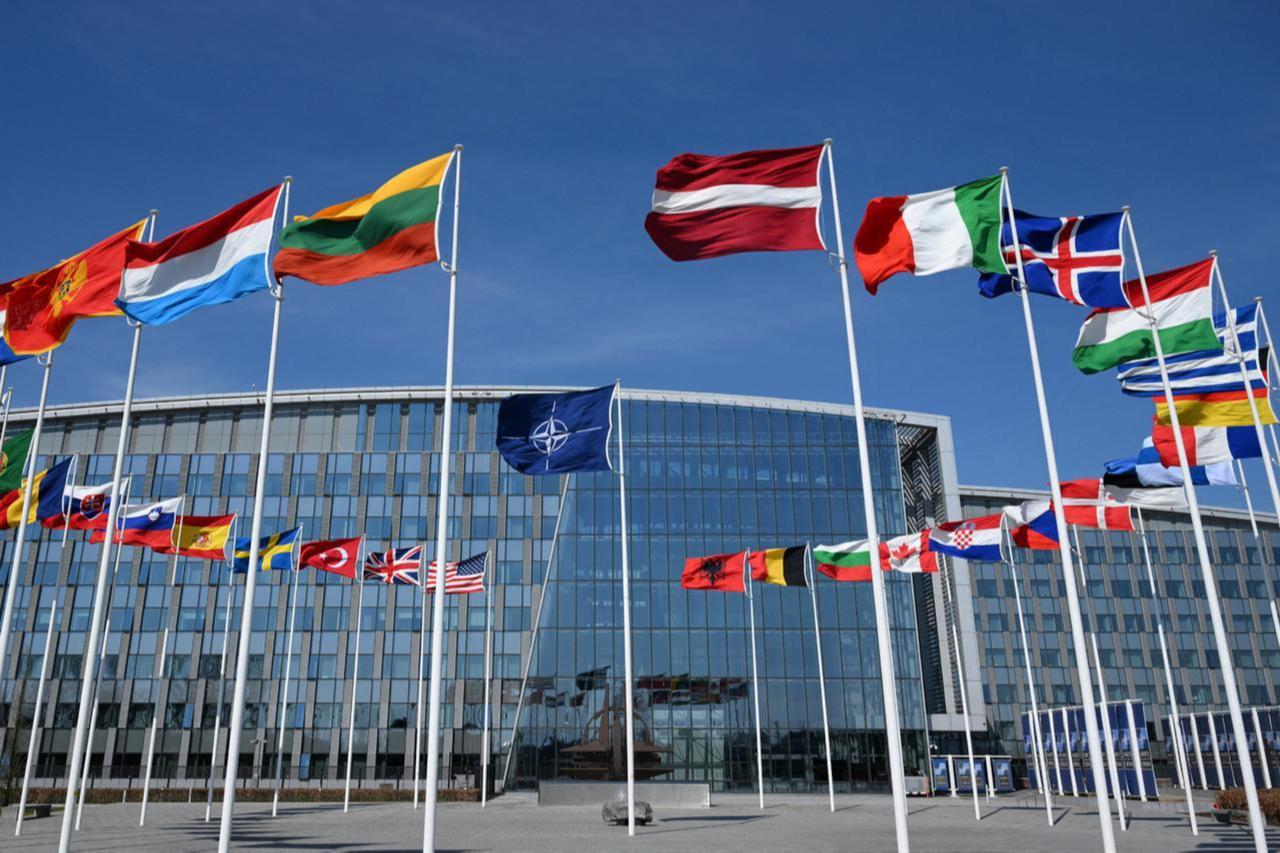
Canada has officially met NATO’s 2% defence spending target in 2025—years ahead of its previous timeline—marking a decisive shift in national policy and signalling a broader realignment within Western defence strategy.
With total spending exceeding $63 billion, Prime Minister Mark Carney’s government has not only accelerated commitments made under Justin Trudeau, but also introduced a far more aggressive long-term objective: 5% of GDP by 2035.
This development reflects mounting geopolitical pressure, evolving NATO dynamics, and a structural transition toward increased military self-reliance among Western allies.
🌍 NATO Enters a New Phase of Burden Sharing


The announcement aligns with discussions at the Munich Security Conference, where European leaders emphasized the need for stronger domestic defence capabilities.
Two macro forces are driving this shift:
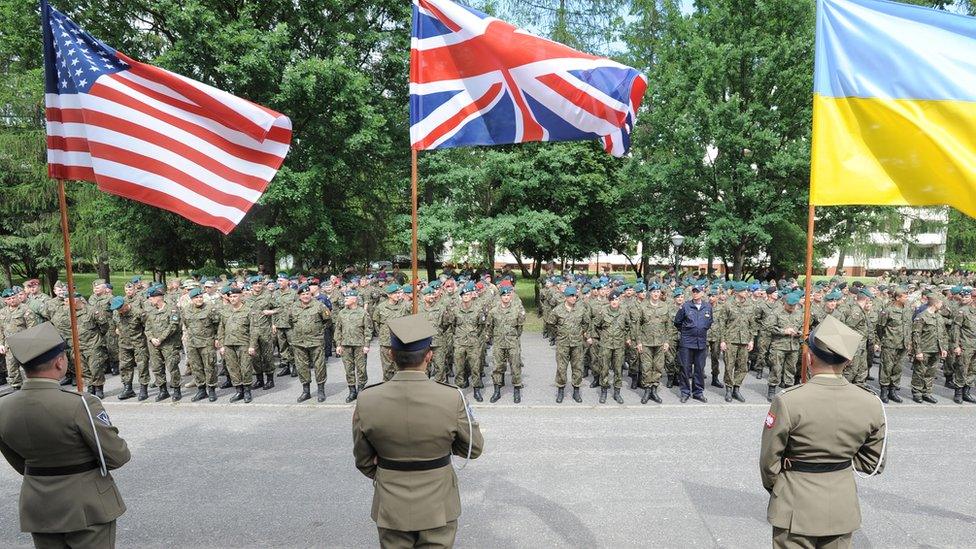
- The prolonged Russia–Ukraine conflict, now entering its fourth year
- A more isolationist posture from the United States, prompting allies to reassess dependency
The implication is clear: NATO is transitioning away from a U.S.-centric defence model toward a distributed, multi-polar security structure.
🇨🇦 Canada’s Strategic Pivot: From Laggard to Active Contributor
Historically criticized for underinvestment, Canada’s accelerated timeline represents a fundamental repositioning within NATO.
Key Developments:
- 2025 Spending: ~$63 billion
- Target Achievement: 2% of GDP (ahead of 2032 schedule)
- New Commitment: 5% of GDP by 2035
This level of ambition places Canada among a small group of nations signalling readiness for sustained, high-intensity defence investment—a posture typically associated with elevated geopolitical risk environments.
⚙️ Execution Risk: Spending vs. Deployment Capacity
Despite the headline achievement, structural challenges remain.
Former defence minister Bill Blair previously acknowledged that even with increased funding, Canada may face constraints in effectively deploying capital within a single fiscal cycle.
These constraints include:
- Procurement inefficiencies
- Limited domestic manufacturing capacity
- Institutional bottlenecks within defence administration
This introduces a critical distinction for investors and policymakers:
Allocated capital does not immediately translate into operational capability
📊 Market & Sector Implications


Canada’s accelerated defence posture carries meaningful implications across multiple sectors:
1. Defence & Aerospace
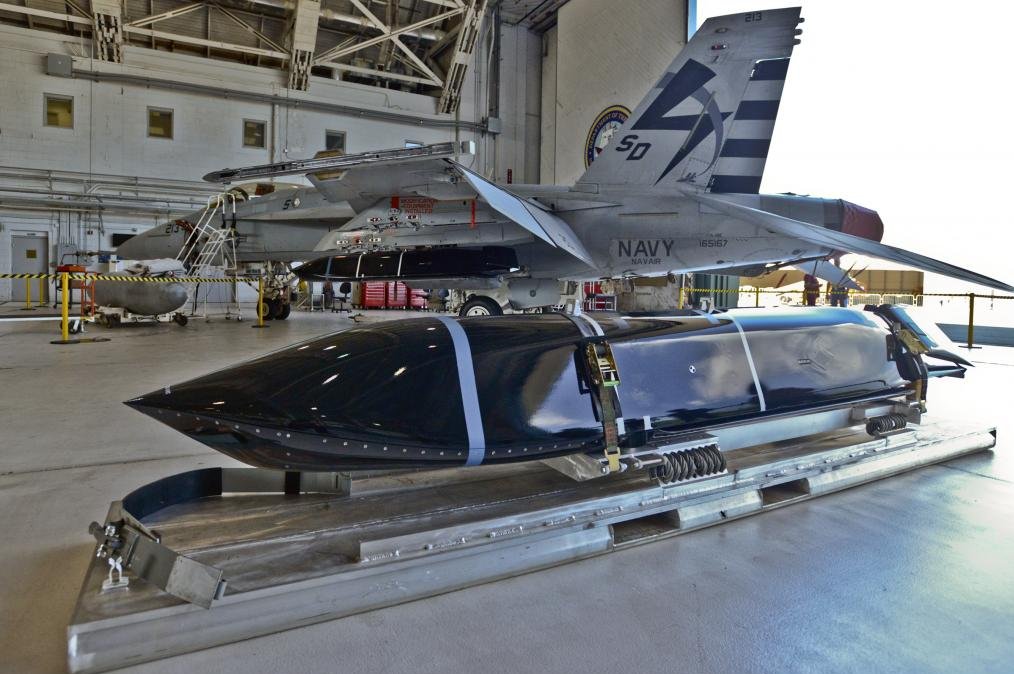
Increased procurement cycles are likely to benefit:
- Military equipment manufacturers
- Aviation and surveillance systems providers
2. Cybersecurity & AI Infrastructure
Modern defence strategies rely heavily on:
- Cyber defence systems
- Artificial intelligence integration
- Data and surveillance platforms
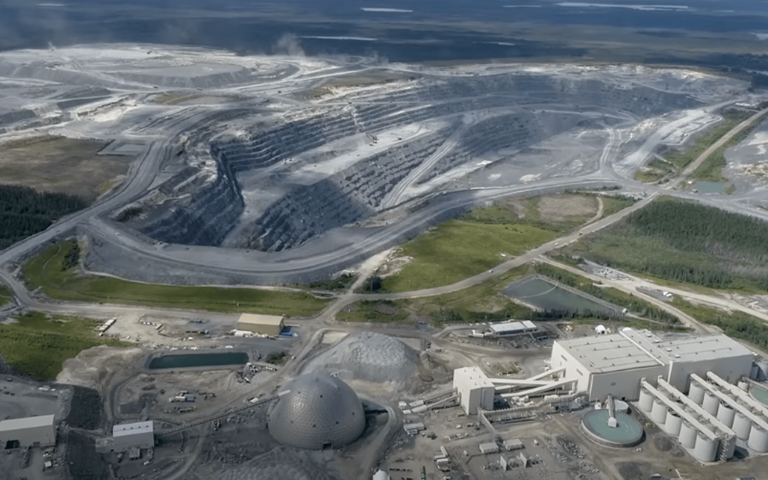
3. Critical Minerals & Energy Security
Defence manufacturing depends on:
- Copper, nickel, rare earth elements
- Stable energy inputs for industrial scaling
4. Logistics & Industrial Capacity
Rearmament requires:
- Supply chain expansion
- Transportation infrastructure
- Domestic production capabilities
🧠 Strategic Interpretation: A Policy-Driven Capital Reallocation
This development should not be viewed as an isolated fiscal update.
It represents a policy-driven capital reallocation event, where government spending priorities reshape industrial flows, capital markets, and long-term investment themes.
Canada is transitioning from:
A NATO under-spender under external pressure
to:
An active participant in Western defence restructuring
This shift carries second-order effects that extend beyond military policy into economic positioning, industrial strategy, and capital deployment.
🔍 What Comes Next
Key variables to monitor:
- Execution efficiency of defence budgets
- Partnerships with NATO-aligned contractors
- Expansion of domestic manufacturing capacity
- Integration of emerging technologies into defence systems
The trajectory toward a 5% GDP target by 2035 will require not only sustained political will, but also structural transformation across Canada’s industrial base.
⚠️ Disclaimer
This content is for informational and research purposes only and does not constitute financial or investment advice. Betweenplays Media Inc. maintains full editorial independence and does not accept paid sponsorships or compensation for coverage.