

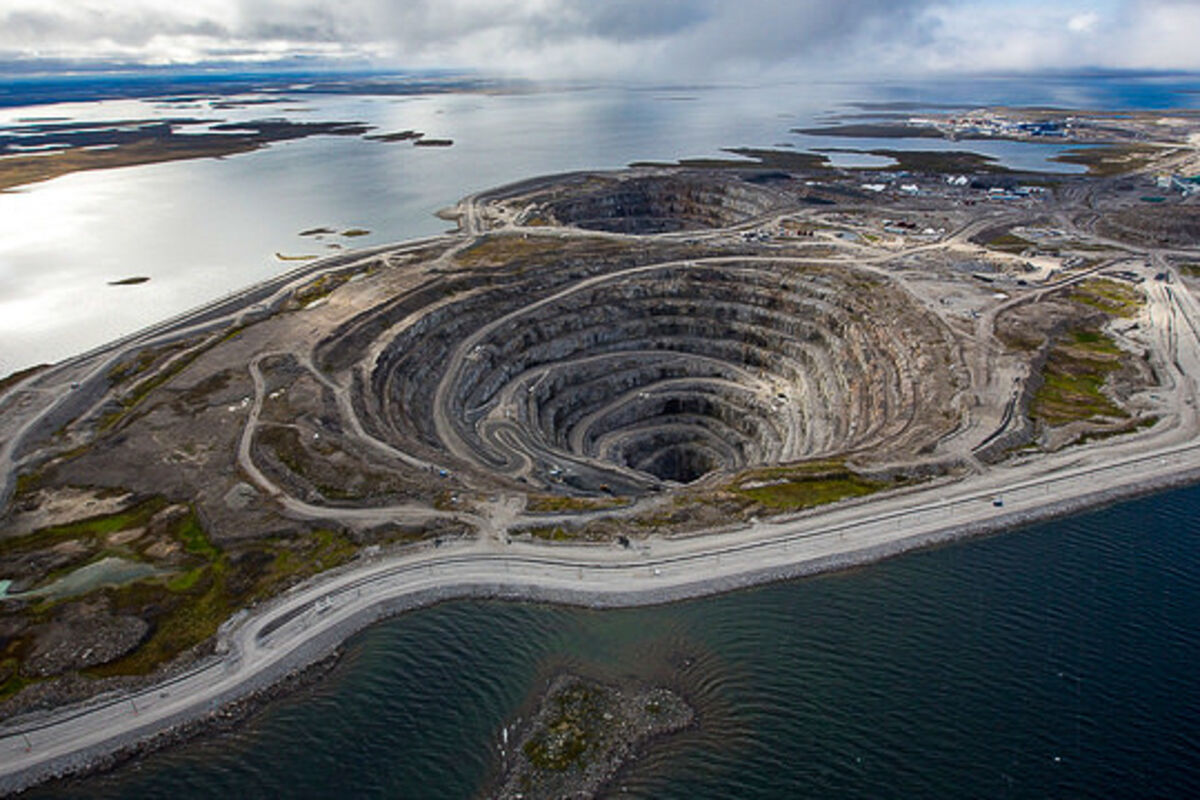
Final production marks a turning point for the Northwest Territories and signals a broader shift in global commodity markets
By Betweenplays Media Editorial Team
Published March 26, 2026 | Betweenplays Newswire | Markets
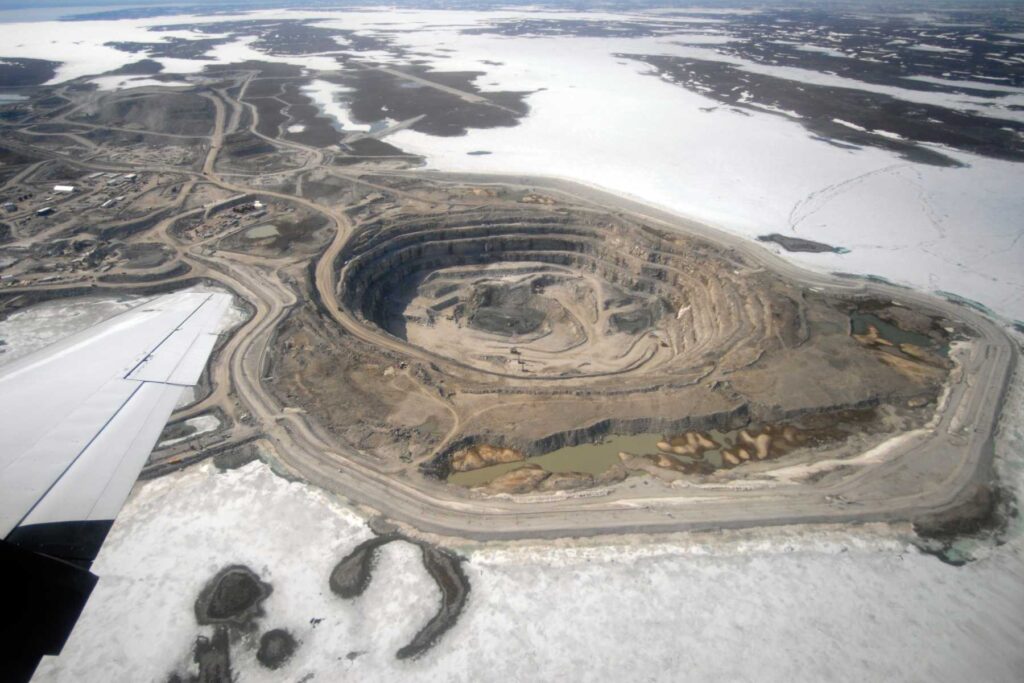
🇨🇦 Diavik Diamond Mine — Arctic Engineering Landmark
LAC DE GRAS, NORTHWEST TERRITORIES —
Rio Tinto has officially ended production at its Diavik Diamond Mine, bringing to a close one of Canada’s most significant mining operations after 23 years in the Arctic.
The closure follows the exhaustion of the mine’s economic reserves, marking the end of a lifecycle that began with discovery in the early 1990s and evolved into a cornerstone of Canada’s diamond industry.
Since entering production in 2003, Diavik has yielded more than 150 million carats of rough diamonds, helping establish Canada as a major global diamond producer.
From Discovery to Global Asset
The Diavik deposit was discovered in 1991 within the Lac de Gras kimberlite field, a region that triggered Canada’s modern diamond rush.
Construction began in 2001, and by 2003, the mine entered commercial production as one of the country’s flagship diamond operations.
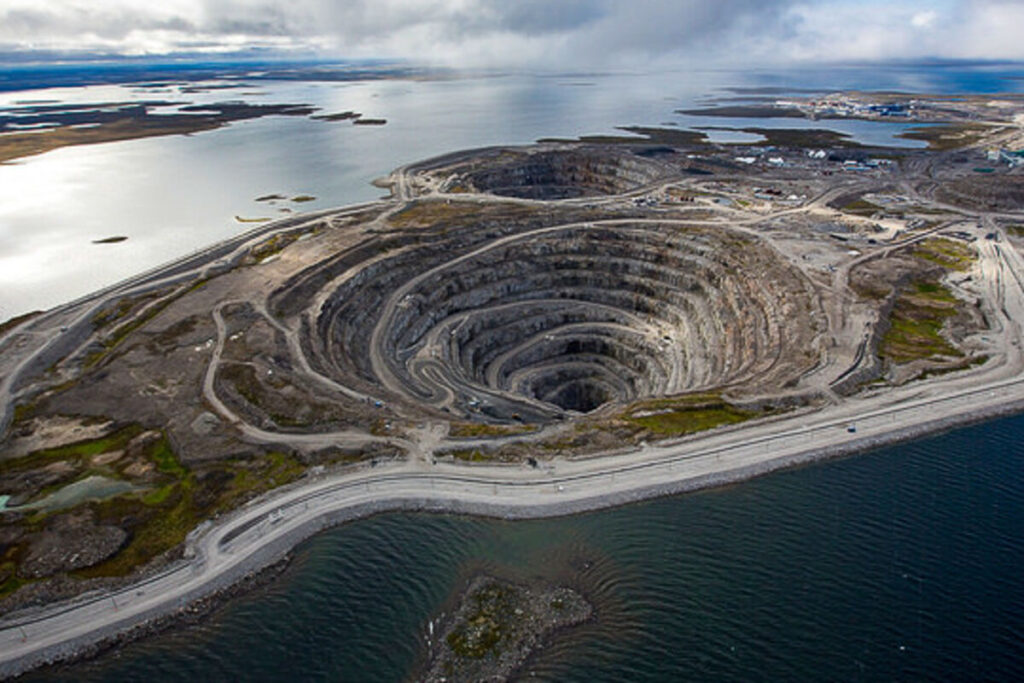
Located approximately 220 kilometres south of the Arctic Circle, the project was a major engineering achievement. Mining took place beneath a frozen lake using a combination of:
- Open-pit extraction
- Underground mining
- Dike systems to hold back surrounding water
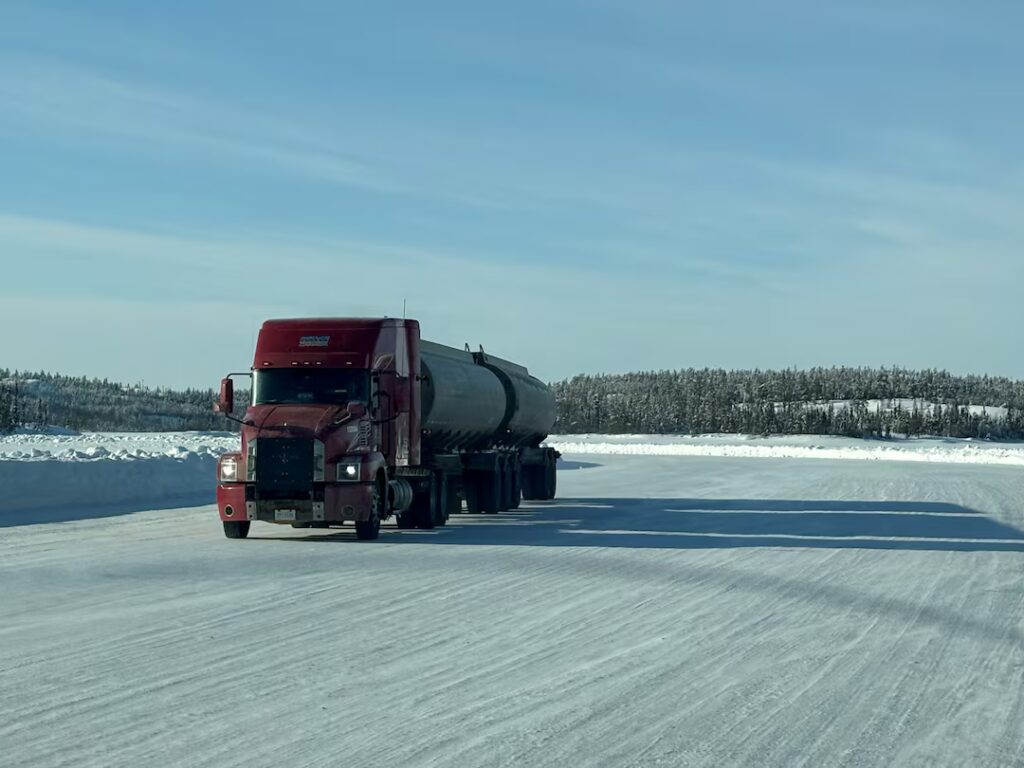
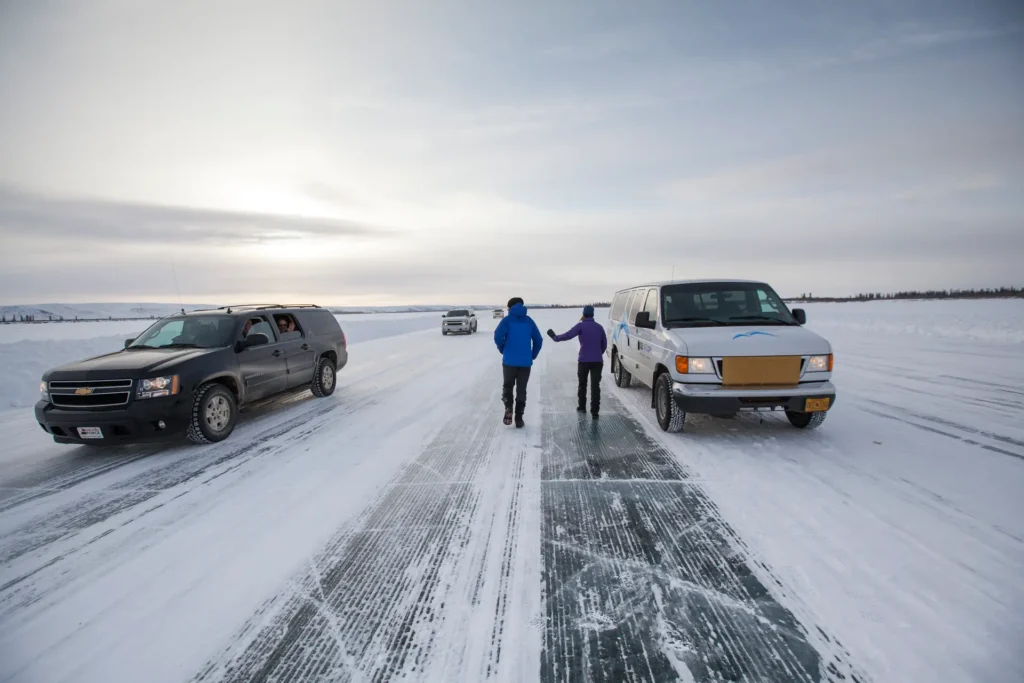
- Seasonal ice roads and air-supported logistics
The operation consisted of four diamond-bearing kimberlite pipes and produced high-quality white diamonds along with rarer yellow stones.
A Mine That Helped Build the North
For more than two decades, Diavik played a central role in the economic development of the Northwest Territories.
The mine supported:
- Employment and regional income
- Long-term partnerships with Indigenous governments
- Infrastructure and industrial growth in remote northern communities
It also became a model for modern mining collaboration between private industry, government, and Indigenous partners.
Closure Was Planned — But the Timing Matters
The shutdown of Diavik was expected as reserves approached depletion. However, its closure comes amid broader structural changes in the global diamond market.
Key pressures include:
- Rising competition from lab-grown diamonds
- Persistent weakness in natural diamond prices
- Increasing cost pressures in remote mining environments
These factors suggest a long-term shift in the diamond sector, rather than a short-term downturn.
Canada’s Diamond Industry Enters a New Phase
With Diavik now closed, Canada’s diamond production base is narrowing.
Remaining operations in the Northwest Territories include:
- De Beers / Mountain Province — Gahcho Kué
- Burgundy Diamond Mines — Ekati
Both operations face increasing market pressure, and no major new diamond developments are currently positioned to replace Diavik’s output.
What Happens Next
Although mining has ended, Diavik’s lifecycle is not yet complete.
- Final rough diamonds will be polished and sold through 2026 and beyond
- Site reclamation activities will continue through approximately 2029
- Long-term environmental monitoring will follow
Rio Tinto has confirmed it will continue working with Indigenous partners and the Government of the Northwest Territories throughout the closure process.
A Strategic Pivot Underway
The closure of Diavik is accelerating a broader economic transition in the Northwest Territories.
Government and industry are now focusing on:
- Critical minerals development
- Infrastructure expansion
- Workforce transition and new investment attraction
This aligns with a global shift in resource markets:
Capital is increasingly moving away from luxury commodities and toward materials essential for electrification, energy systems, and advanced technologies.
The Betweenplays Perspective
Diavik’s closure represents a clear transition across multiple layers:
1. Resource Lifecycle Completion
A world-class deposit has reached full depletion after more than two decades of production
2. Market Evolution
Natural diamonds are facing growing competition from synthetic alternatives
3. Capital Reallocation
Investment is shifting toward strategic commodities such as copper, lithium, and nickel
Bottom Line
The end of Diavik is not a failure — it is the completion of a full mining cycle.
But its significance lies in what follows.
As Canada’s diamond era begins to wind down, the next phase of resource development is already emerging — one driven not by luxury goods, but by the materials powering the global economy.
⚠️ Disclaimer
This content is for informational and research purposes only and does not constitute financial or investment advice. Betweenplays Media Inc. maintains full editorial independence and does not accept paid sponsorships or compensation for coverage.